In 2026, IT service desks have evolved from simple ticket queues into powerful operational engines that drive productivity and user satisfaction. Modern organizations demand systems that go beyond just logging issues — they now expect automation, deep integration, proactive support, strong security, and measurable outcomes.
A future-ready IT service desk ticketing system should support seamless collaboration, intelligent workflows, and data-driven insights while enabling self-service and reducing manual effort.
Below, we break down the top features every IT service desk ticketing system must have in 2026 to stay competitive, efficient, and user-centric.
Key Features of an IT Service Desk Ticketing System in 2026
1. AI-Assisted Ticket Intake
By 2026, artificial intelligence will no longer be a luxury add-on — it will be a core expectation. The smartest ticketing systems use AI to streamline ticket creation, categorization, and routing without burdening agents.
AI can automatically summarize long user descriptions, suggest relevant categories, prioritize tickets based on historical patterns, detect duplicates, and recommend responses or knowledge base articles to both agents and users. All of this reduces manual work and accelerates resolution while maintaining transparency and giving agents control over decisions.
2. Omnichannel Support
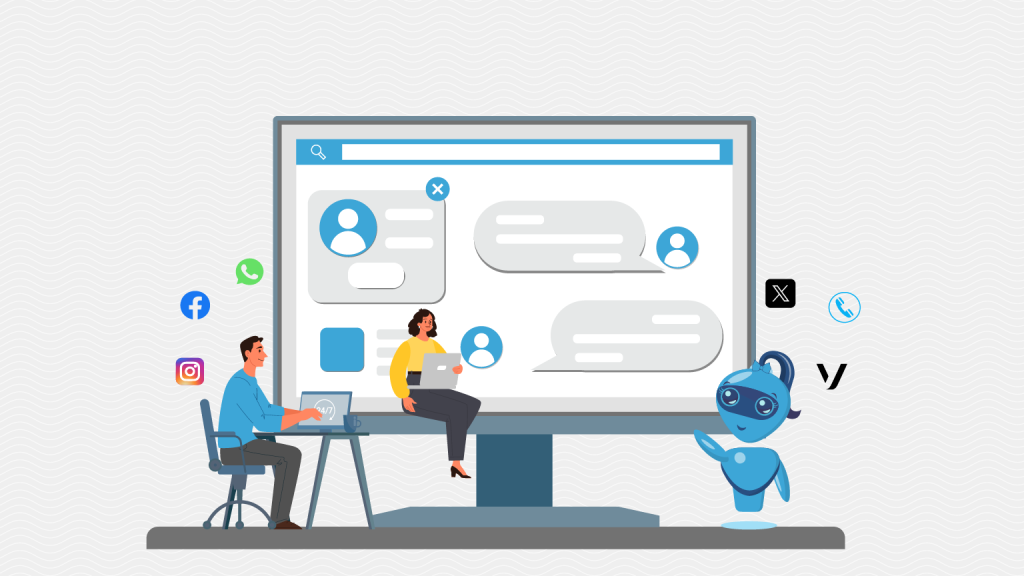
Users submit support requests through many channels — email, web portals, live chat, social platforms, mobile apps, and even voice interfaces. A 2026 IT service desk ticketing system must consolidate all these into a single conversation thread per issue.
This unified view ensures context is preserved across channels and prevents information loss when tickets escalate or change hands. It also helps teams avoid fragmented responses and improves traceability throughout the ticket lifecycle.
3. Effective Self-Service and Knowledge Management
Self-service isn’t just a nice extra — it’s essential. A well-built self-service portal helps users solve routine issues themselves, reducing ticket volume and shortening response times. Effective self-service and knowledge management practices are aligned with the ITIL® framework, which defines global best practices for IT service management.
Features that matter most include:
– Semantic search and intelligent filters.
– Real-time article suggestions as users type their queries.
– Guided workflows and decision trees that lead users toward solutions.
– A service catalog that clearly lists common requests like password resets, access approvals, or software installs
4. Workflow Automation
Manual ticket routing, approvals, and updates slow teams down. In 2026, automation is expected to cover not just simple workflow steps — but orchestration across connected systems.
This means an IT ticketing platform can trigger actions in identity tools, endpoint management systems, cloud environments, and service provisioning platforms. For example, it could automatically unlock a user account, trigger device compliance checks, or start scripted responses to common issues without human intervention.
5. SLA, SLO, and Customer Experience Reporting
Traditional Service Level Agreements (SLAs) still matter, but they’re just part of the picture. Modern ticketing systems must also support Service Level Objectives (SLOs) and experience-centric metrics like:
– To acknowledge and mitigate.
– Customer Satisfaction (CSAT).
– Ticket deflection rates and backlog health.
Dashboards should allow team leads to slice data by team, service type, priority level, and time period, helping drive strategic improvements rather than just reporting on activity.
6. Integrated Knowledge Management
Knowledge bases are only useful when knowledge is easy to create, share, and use. In 2026’s IT service desk ticketing systems, knowledge management is embedded in the ticket resolution process. Agents should be able to:
– Convert solved tickets into articles with one click.
– Link solutions to similar issues to improve search relevance.
– Track article usage and ratings to continually refine content.
This tight integration ensures knowledge evolves organically and reduces repeat tickets over time
7. Strong Security and Compliance Features
Service desks handle sensitive information. In 2026, security by design is a must — not an afterthought.
Key security features include:
– Role-based access control with least privilege.
– Single Sign-On (SSO) and multi-factor authentication.
– Audit logs and tamper-proof event tracking.
– Data retention policies and compliance controls aligned with regulations like SOC 2 or GDPR.
These are essential to prevent data leaks, ensure accountability, and satisfy compliance audits.
8. Built-In Collaboration Tools
Ticket resolution is often a team sport. Collaboration features such as:
– Internal notes and threaded discussions,
– @mentions,
– Linked tickets for major incidents,
– Controlled external access for vendors or partners,
help reduce friction during handoffs and make sure everyone stays aligned on resolutions.
9. Mobile-First Agent Experience
Work doesn’t always happen at a desk. A modern ticketing system must offer a mobile experience that supports:
– Quick filtering of tickets,
– Push notifications for approvals,
– Secure access with offline note creation.
This is especially important for on-call support rotations and teams distributed across geographies.
10. Accessibility, Localization, and Inclusive Design
Global teams need tools that work for everyone. Top ticketing systems provide:
– Multiple language support,
– Time-zone adaptability,
– Keyboard navigation and screen-reader compatibility.
Inclusive design improves usability for agents and customers alike while supporting global service delivery.
Conclusion
The service desk of 2026 is a productivity engine, not just a support channel. The tools of tomorrow will empower IT teams to be proactive, automate key workflows, reduce friction, and offer intelligent, secure experiences for both agents and users.
An IT service desk ticketing system that incorporates the features above will help IT operations evolve from reactive issue handling to strategic service delivery.